A Programmable Cell and Gene Therapy for Solid Tumors
Galt Therapeutics and Investments is a preclinical biotechnology company developing programmable immune-cell and gene-therapy platforms for treatment-resistant solid tumors, with an initial focus on glioblastoma and next-generation CAR-T applications.
Engineered Immune Cells
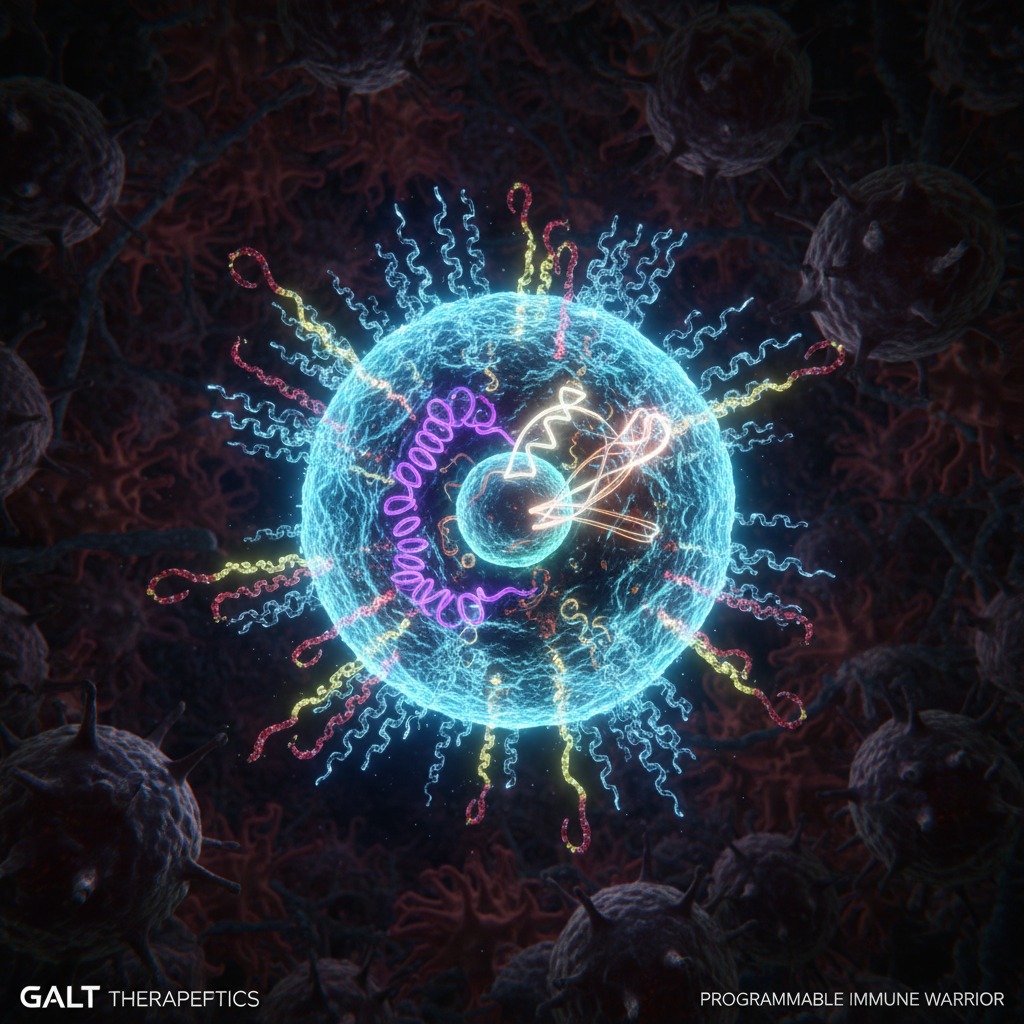
Galt is developing next-generation immune-cell platforms designed to address the limitations of conventional solid-tumor CAR-T therapy, including antigen escape, tumor heterogeneity, off-tumor toxicity, and immune suppression.
Programmable and Inducible Gene Control
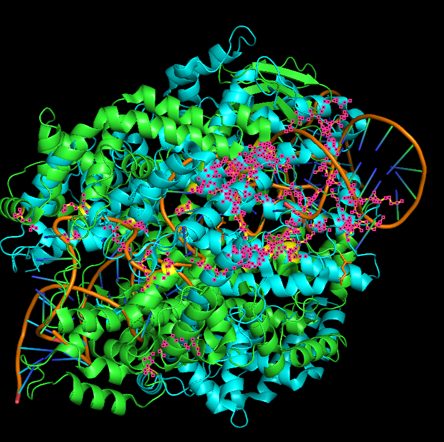
Our platform explores inducible gene-expression systems and RNA-guided regulatory tools to give engineered cells more flexible control over therapeutic function after genetic integration.

Strategic IP Development
Galt combines internal platform design, sponsored academic research, CRO-driven discovery, and targeted investment into early-stage therapeutic technologies with the goal of building defensible biotechnology assets.
A Platform Built for Solid-Tumor Complexity
Solid tumors are not static targets. They evolve, suppress immune responses, and vary across patients, tumor regions, and disease stages. Galt’s platform strategy is designed around that complexity.

Target Discovery
Galt evaluates tumor-associated antigens, VHH/nanobody binders, and multi-target recognition strategies for difficult solid tumors such as glioblastoma.

Genetic Engineering
The company explores targeted gene integration, viral and non-viral delivery systems, inducible promoters, and modular payload architectures for engineered immune cells.

Preclinical Validation
Galt’s development path focuses on construct design, binder screening, vector feasibility, functional assays, and academic or CRO-supported validation before clinical translation.
How Galt Approaches Solid-Tumor Cell Therapy
Solid tumors are heterogeneous, adaptive, and difficult to treat with therapies that are permanently active or built around a single target. Galt is developing modular cell and gene therapy systems focused on recognition, control, and functional persistence.

Modular Tumor Recognition
Galt explores VHH/nanobody-based targeting strategies that may support compact, modular, and multi-antigen CAR designs for heterogeneous tumors.

Inducible Therapeutic Logic
The platform is designed around controllable expression systems that allow for selected therapeutic programs to be regulated rather than permanently fixed.

Multiplexed Functionality
Galt’s cell therapy work is focused on improving specificity, persistence, and function in settings where immune suppression, antigen heterogeneity, and safety constraints limit current approaches.
WHY GLIOBLASTOMA
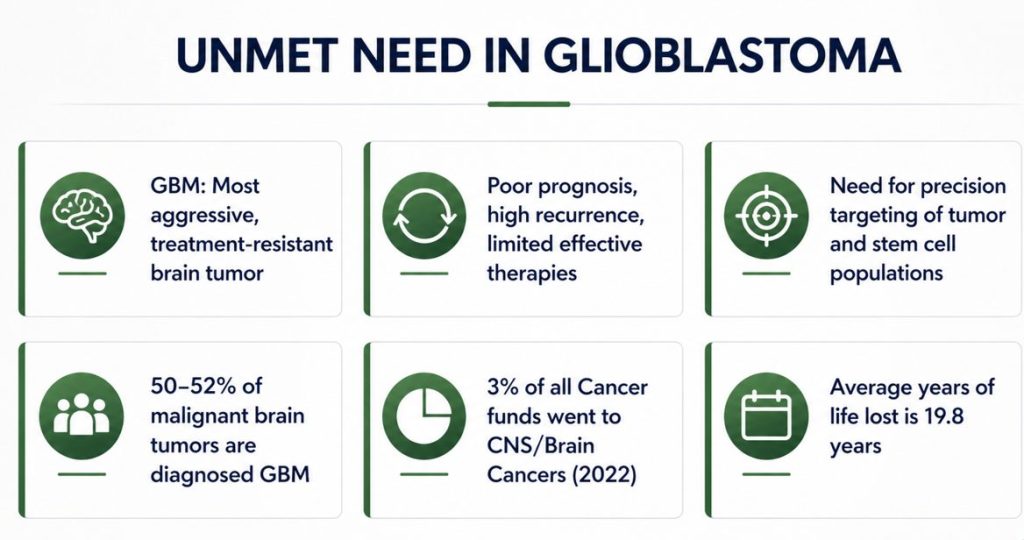
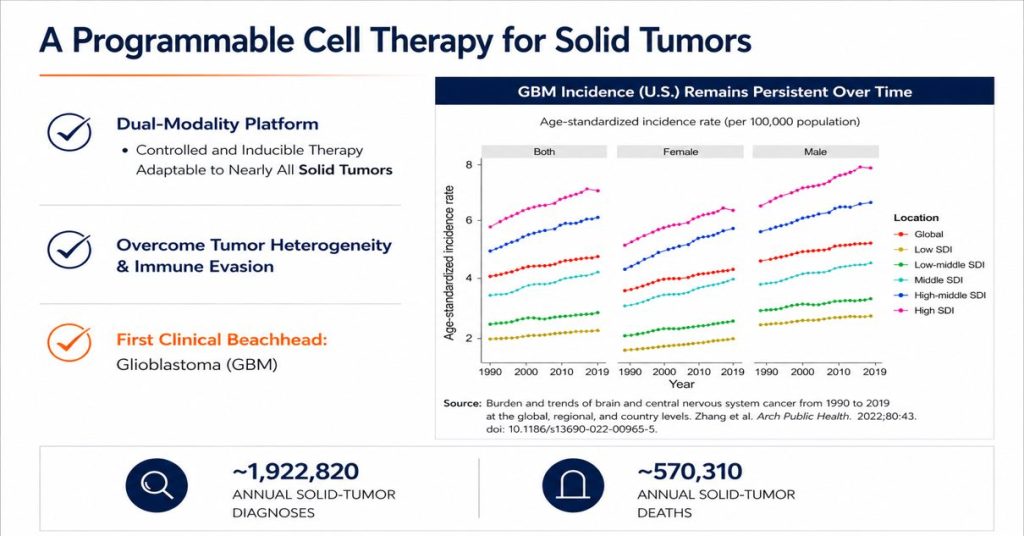
Glioblastoma (GBM) remains one of the most difficult solid tumors to treat. Current therapies are limited by invasive growth, tumor heterogeneity, immune suppression, and recurrence after standard treatment.
Galt’s initial focus on glioblastoma reflects the need for therapeutic platforms that can address multiple biological barriers at once. The company is developing preclinical strategies aimed at improving tumor targeting, functional control, and engineered-cell performance in hostile solid-tumor environments.
Heterogeneous targets
Glioblastoma tumors often contain mixed cell populations with variable antigen expression.
Suppressive microenvironment
The tumor environment can limit immune-cell persistence, activation, and killing function.
Need for programmable control
Future therapies may require tunable systems rather than fixed, single-function cell products.
Technology Areas
VHH and Nanobody Discovery
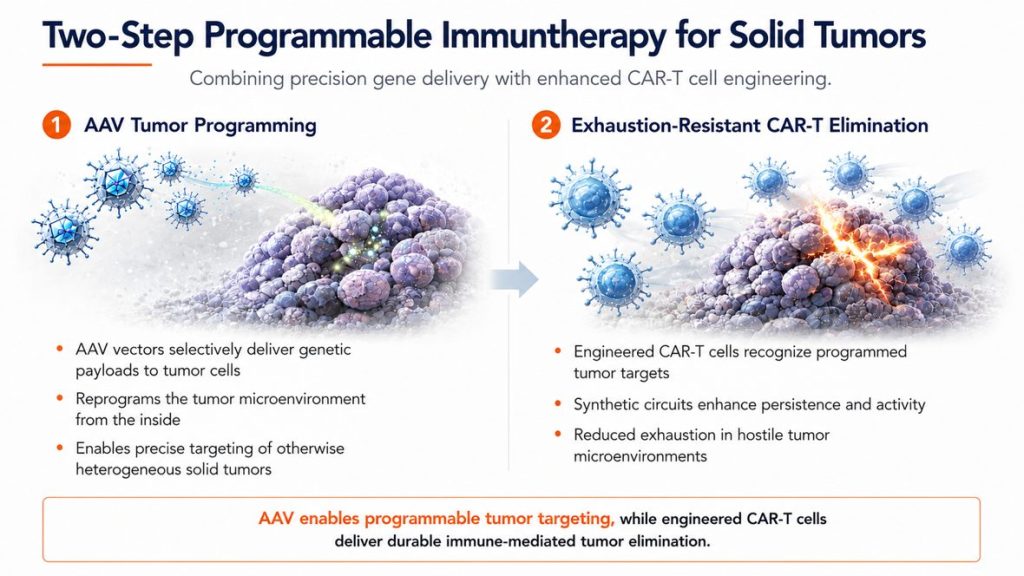
Galt is evaluating compact tumor-binding domains for use in CAR-T design, AAV targeting, and other engineered therapeutic systems.
Targeted Gene Integration
The company explores site-specific integration strategies designed to improve genetic control, reproducibility, and construct architecture.
RNA-Guided Regulation
Galt is developing concepts involving programmable RNA-guided systems for multiplexed control of cellular pathways relevant to solid-tumor therapy.
Inducible Expression Systems
The platform uses inducible-control concepts to regulate selected therapeutic components and reduce reliance on permanently active expression.
Vector and Payload Engineering
Galt evaluates lentiviral, AAV, minicircle, and other delivery approaches with attention to payload size, manufacturability, and functional feasibility.
Meet Our Leaders

Bennett K. Alphson MSc
President and Scientific Development Lead
Scientific Development Lead
7+ years of Experience in CAR-T and Immunology
•Allogene Therapeutics
•Refuge Biotech
•University College London

Mustafa Turkoz PhD
Lead Scientific Advisor
Cell and Gene Therapy Expert
12+ years Immunology; 8+ Years CAR-T
•Head of Immunology: Turn Biotechnologies
•Allogene Therapeutics
•Adicet Bio
•Eureka Therapeutics
•Stanford University.
How Galt Builds Therapeutic Assets
Galt is structured to develop early-stage biotechnology assets without immediately relying on a large internal laboratory footprint. The company advances programs through a focused operating model built around design, validation, collaboration, and intellectual-property development.
Internal Platform Design
Galt develops therapeutic architectures, construct designs, target strategies, and experimental plans internally.
Specialized CRO Execution
The company uses external vendors for defined technical work such as VHH discovery, protein production, cell screening, vector design, and assay support.
Academic Research Partnerships
Galt seeks sponsored research collaborations with academic laboratories that have deep expertise in cell therapy, immuno-engineering, cancer biology, and translational science.
IP and Licensing Strategy
We aim to convert early scientific work into defensible intellectual property, licensing opportunities, and future therapeutic development programs.
How Galt Builds Therapeutic Assets
| Program Area | Focus | Stage |
| Glioblastoma CAR-T Platform | Programmable immune-cell therapy for treatment-resistant glioblastoma | Preclinical design |
| VHH Tumor Targeting | Nanobody/VHH discovery for solid-tumor recognition and modular CAR design | Discovery |
| RNA-Guided Cell Regulation | Multiplexed RNA-control systems for engineered immune cells | Platform development |
| Targeted Integration | Site-specific engineering strategies for stable therapeutic payload insertion | Platform development |
| Vector and Payload Engineering | Feasibility testing for large, modular therapeutic constructs | Design and validation |
Our Thesis
Solid-tumor cell therapy will require a new generation of programmable therapeutic systems. Single-antigen targeting alone is unlikely to solve the combined problems of antigen escape, off-tumor toxicity, tumor heterogeneity, immune suppression, and poor persistence.
Galt’s thesis is that the next major advances in solid-tumor cell therapy will come from engineered cells that can combine:
- multi-target tumor recognition;
- regulated gene expression;
- programmable RNA-guided control;
- resistance to suppressive tumor environments;
- precise genetic integration;
- modular, manufacturable therapeutic design.